The New Hire Checklist: Everything to Prep Before, During and After Day One
Quick answer: A good new hire checklist covers three stages:
- Before day one: paperwork, accounts, equipment and an ID badge or name tag, all ready.
- Day one: a planned welcome, introductions and a first real task.
- The first 90 days: scheduled check-ins at 30, 60 and 90 days.
Most first-week problems come from the steps nobody owned, so put a name next to every item.


Before Day One (1–2 Weeks Out)
Paperwork and HR
- Send the offer letter, start date, start time, address and parking/entry instructions in one email
- Collect tax forms, direct deposit and emergency contact info ahead of time, so day one isn't paperwork
- Share the employee handbook and any policies they need to sign
Workspace and Equipment
- Order the laptop, phone and any tools; set up email, logins and software access
- Prepare the desk or workstation. A desk name plate tells the new person they're expected, not squeezed in
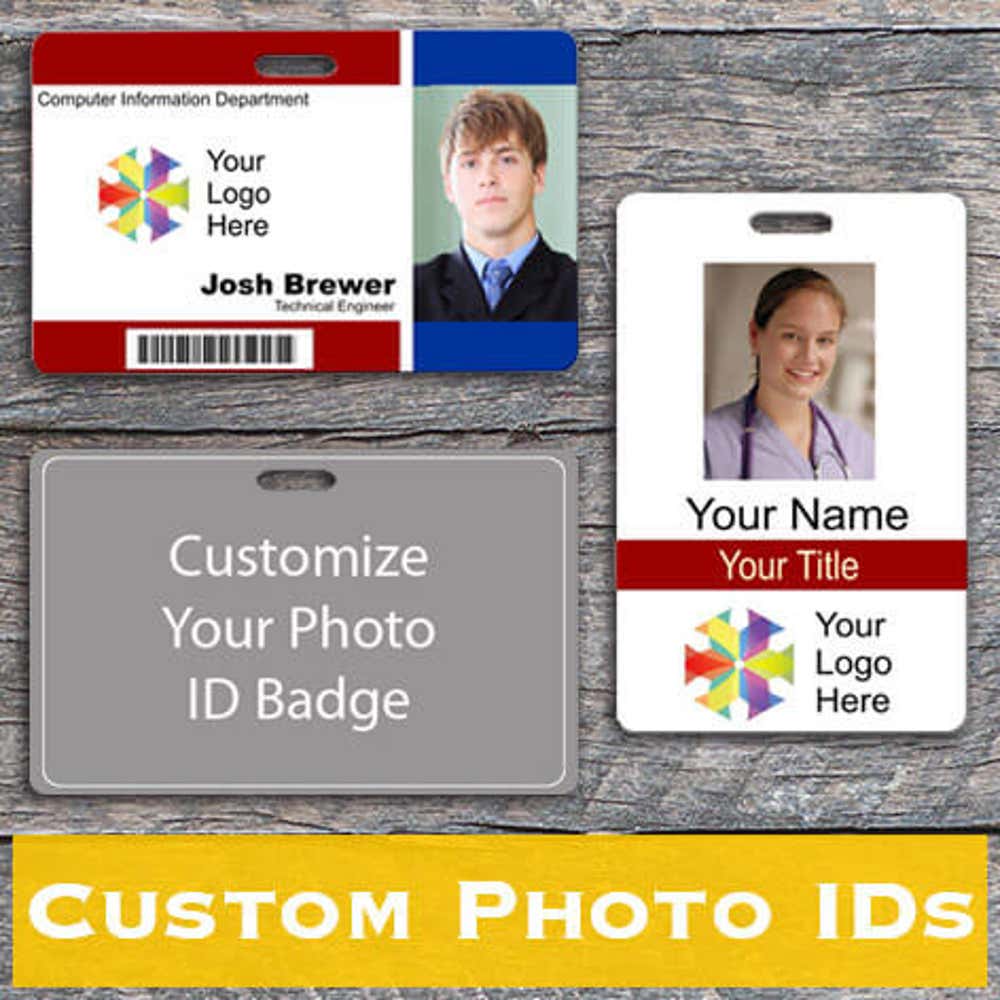
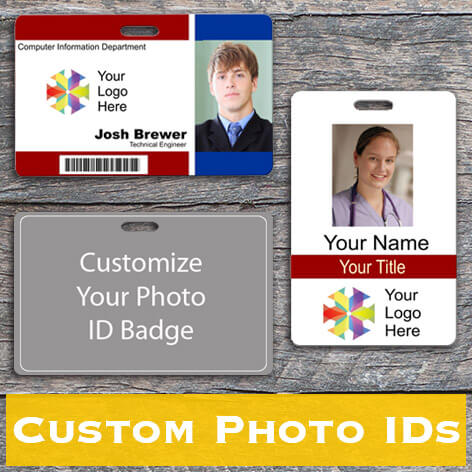
- Order their name tag or photo ID badge now. Custom badges take time to produce, and a new hire without one can't get into secure areas, and customers and coworkers don't know their name
People
- Assign a buddy or peer mentor outside their direct reporting line
- Block time on the manager's calendar for day one and the first week
- Send a short team announcement with the start date and role
Day One
- Greet them at the door. Someone they've met should be the first face they see
- Hand over the badge, lanyard, keys and equipment, already set up and working
- Walk the space: restrooms, break room, emergency exits, where their team sits
- Make introductions by name. When the whole team wears custom name tags, a new hire doesn't have to memorize 20 names on day one
- Cover the essentials: schedule, breaks, who to ask for what
- Give them one small, real task they can finish before the day ends
- End with a 15-minute check-in: "What's still unclear?"
First Week
- Daily 10-minute check-ins with the manager
- Shadow sessions with 2–3 teammates in different roles
- Finish required training and safety or compliance modules
- Set 30-day goals together and write them down
30-60-90 Day Check-Ins
| Check-in | Focus | Questions to ask |
|---|---|---|
| 30 days | Settling in | What's confusing? Do you have the tools you need? |
| 60 days | Contributing | Where are you stuck? What would you change? |
| 90 days | Owning | What do you want to take on next? How are we doing as a team? |
Don't Forget the Small Things
- Identification: In customer-facing, healthcare, school and security-sensitive roles, ID badges and name tags are part of the job, not a nice-to-have. Order them with the equipment, not after
- Spelling and titles: Confirm the new hire's preferred name and its spelling before anything is printed or engraved
- Consistency: Match the format of existing team badges so the new person doesn't stand out on day one
Frequently Asked Questions
What should be on a new hire checklist?
Paperwork and policies, equipment and system access, workspace setup, identification (badge or name tag), a day-one schedule, introductions, training, and check-ins at 30, 60 and 90 days.
When should onboarding start?
Before day one. Paperwork, equipment and ID badges should be handled 1–2 weeks ahead, so the first day is spent on people and work, not forms.
Why give new employees name tags or ID badges right away?
They help coworkers and customers learn the new person's name quickly. They also control access to secure areas, and they signal that the new hire is part of the team from the first day.
Who owns the new hire checklist?
Usually HR and the hiring manager share it. Assign a named owner to each item; unowned steps are the ones that get missed.